0
Skip to Content
Julie Wiles
Julie Wiles
Home
Commercial Work
Independent Work
ECT Film
CV
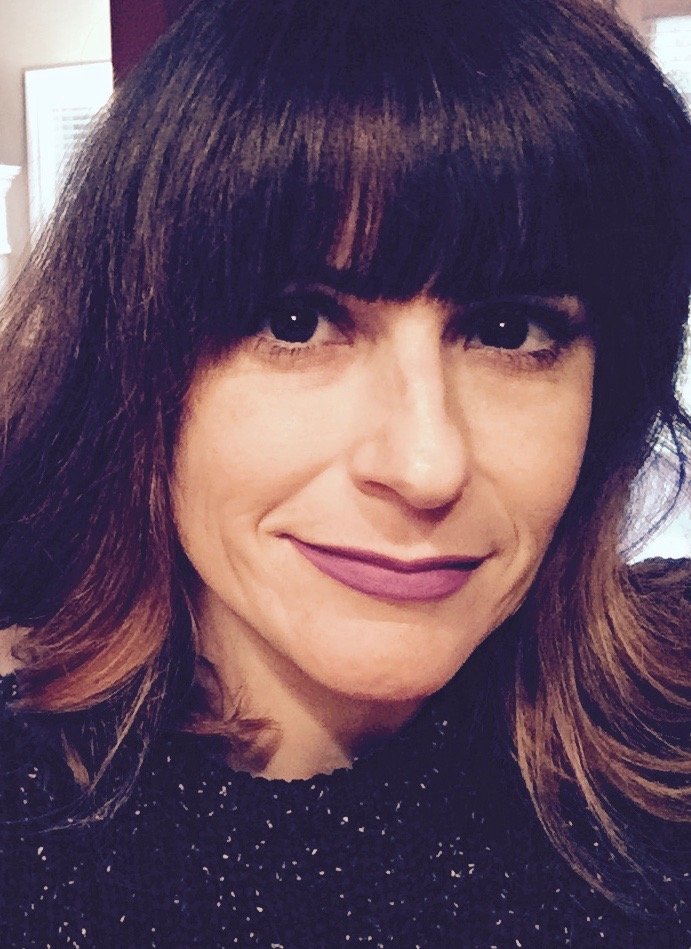
Julie Wiles
Julie Wiles
Home
Commercial Work
Independent Work
ECT Film
CV
Home
Commercial Work
Independent Work
ECT Film
CV

Background and Motivation

In late 2017, while living and working in New York City, I began to notice troubling changes in my mood and overall health. Having been on antidepressants for years, I was transitioning between medications under the care of a new doctor. Instead of completing that transition, I was prescribed both medications simultaneously—an unsafe combination that quickly lost effectiveness. Over time, I developed tolerance not only to that regimen but eventually to all antidepressants I was prescribed. Despite consulting multiple psychiatrists, I was only offered new variations of the same medications. None of my doctors discussed alternative treatments.

By March 2018, I was housebound and unable to work. My mother and stepfather moved me to Florida in search of better care. There, a compassionate psychiatrist referred me to an ECT (Electroconvulsive Therapy) specialist in Tampa. Over five months, I underwent 28 treatments. Within two months, I was able to return to work. ECT gave me back the ability to live, create, and contribute.

This film began in 2021, born out of both gratitude for a treatment that saved me and urgency to confront the stigma that continues to distort its public perception.

Inspiration and Purpose

After choosing not to return to New York, I began teaching film at a college in Lakeland, Florida, where a fellow Ohio University School of Film alumnus was directing the program. With the help of my students, I revisited the hospital where I was treated. There, I conducted interviews with my psychiatrist, Dr. Jamie Fernandez, her lead nurse, my mother, and myself—each of us providing perspectives on how treatment-resistant depression nearly destroyed my life, and how ECT restored it.

Despite decades of clinical evidence, ECT continues to be one of the most misrepresented treatments in modern medicine. Mainstream culture often depicts it as punishment or brutality, relying on outdated images that have little to do with contemporary practice. Perhaps no portrayal has been more damaging than One Flew Over the Cuckoo’s Nest, which embedded fear and misinformation into the cultural imagination. For many viewers, fiction has become indistinguishable from reality.

Project Goals

As both a filmmaker and a recipient of ECT, I am uniquely positioned to tell this story. My goal is to use cinema to bridge the gap between lived experience and cultural representation, challenging harmful myths with honesty, craft, and empathy.

The film’s objectives are to:

  • Educate – Provide accurate information about treatment-resistant depression and evidence-based interventions such as ECT.

  • Correct Misconceptions – Counter stigma by showing how ECT is practiced today: safe, compassionate, and effective.

  • Inspire Hope – Share authentic stories of recovery to remind audiences that treatment is possible and healing is real.

Artistic Approach

This film combines personal testimony, medical insight, and creative visual storytelling. While interviews ground the story in lived experience, the film also uses animation to illustrate the science behind ECT—making the neurological processes both accessible and engaging. The animation will be kept minimal and textural, evoking the vulnerability and disorientation of depression while also visualizing renewal and reconnection in recovery.

Cinematically, the film balances intimacy with clarity. Naturalistic interviews, observational footage, and vérité-style scenes are interwoven with archival references and media clips that highlight how ECT has been historically misrepresented. The editing will juxtapose these two worlds—the lived clinical reality versus the cultural fiction—underscoring how cinema itself has shaped perception.

Sound design and score will play a central role. The auditory landscape of depression—its silence, distortions, and isolations—will contrast with the organic textures of recovery. A carefully composed score will underscore not only the struggle but also the hope embedded in treatment and healing.

The result will be a film that is both deeply personal and socially urgent: a cinematic act of reframing that invites audiences to see ECT, and mental health treatment more broadly, in a new light.

Call to Action

This project is not just my story—it is an intervention in how we talk about mental health. By telling this story with compassion and accuracy, the film seeks to dismantle stigma, foster empathy, and inspire those who feel out of options.

I have been developing the project since 2021 and have now reached a critical stage where I need support to complete it. Funds raised will go toward:

  • Animation to visualize the science behind ECT

  • Additional clinical footage

  • Original score composition

  • Professional color correction and sound mixing

  • Distribution and outreach

Your support can help change how mental health treatments are represented and understood. Together, we can replace stigma with understanding and fear with hope.

Campaign Link: https://gofund.me/07ed14e9